Choosing the right dough proofing containers can dramatically improve fermentation, flavor development, and shaping consistency. The following selections emphasize airtight lids, stackability, BPA-free materials, and fridge-friendly sizing to suit home bakers and small kitchens alike. Use this guide to compare sizes, durability, and how each design reduces sticking and drying during proofing.
| Product | Capacity / Size | Key Benefit |
|---|---|---|
| Vtopmart Pizza Dough Proofing Box (2 Pack) | 11.81″L x 3.15″W x 15.75″H per box | Tall, stackable, keeps dough elevated in fridge |
| GSM Brands Pizza Dough Proofing Box (2 Trays) | 17.25 x 13 x 3.54″ | Commercial-grade, stackable, wide area for multiple balls |
| Rainmae 12Pcs Dough Proofing Boxes | 4.3 x 5.3 x 3.9″ each | High capacity per box, space-saving stackables |
| Pujito Stackable Dough Boxes (3, 1100ml each) | 1100ml per box | Air-tight, smooth interior for easy release |
| KEVJES 1000ml Proofing Containers Set | 1000ml per cell | Individual cells, no sticking, multiple colors |
Vtopmart 2 Pack Pizza Dough Proofing Box

These Vtopmart boxes offer increased internal height to prevent squashing during fermentation, making them suitable for fridge storage and taller dough balls. The snap-on lid uses secure locks that resist accidental opening during stacking or transport, which helps maintain humidity and prevent drying. They are BPA-free and food-grade, safe for direct contact with dough, and versatile for fridge, freezer, or room-temperature storage.
Why it matters: the tall profile accommodates multiple dough balls without crowding, while the sturdy lid design supports organized, space-efficient proofing. Ideal for home bakers who want a simple, reliable solution without sacrificing dough integrity during cold fermentation.
GSM Brands Pizza Dough Proofing Box
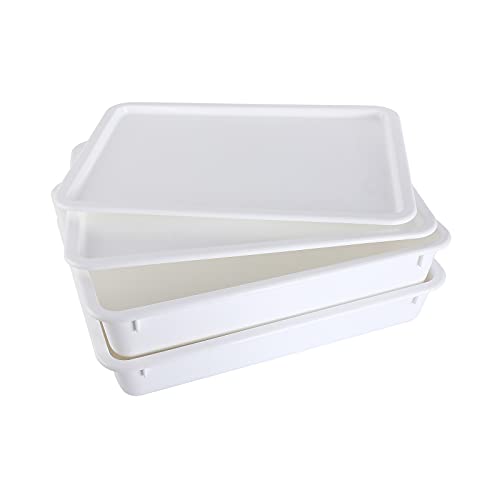
Designed for commercial quality yet suited for serious home bakers, this set includes two large trays with covers and is fully stackable. The white BPA-free plastic is chosen for safety and easy cleaning, making it simple to manage multiple doughs during peak weekend baking. The robust build is designed to last and support repeated fermentation cycles without warping.
Key advantages include a generous surface area for each dough ball and dependable stacking that keeps doughs separate while optimizing fridge space. For households practicing cold fermentation or bulk preparation, this option provides a reliable, professional-grade approach to dough proofing.
Rainmae 12Pcs Dough Proofing Boxes

The Rainmae set includes 12 clear proofing boxes with lids, designed to ferment separate dough balls hygienically. The stackable design saves space and keeps the fridge organized. Each box measures about 4.3 x 5.3 x 3.9 inches and holds roughly 1100 ml, providing ample room for a single dough ball.
Materials are BPA-free and food-grade, suitable for refrigeration and freezing. The set supports family-sized dough workflows while maintaining separation to prevent sticking and cross-contamination during long fermentation periods.
KEVJES Stackable Silicone Dough Containers

KEVJES offers individual 1000 ml cells with a reinforced steel frame inside a silicone shell, combining stability with flexible resilience. The air-tight lid helps prevent drying and protects dough from odors, making it suitable for cold fermentation and overnight proofing. The multi-color set provides easy identification for different doughs or fermentation times.
These containers emphasize no-stick fermentation and precise portioning. The steel reinforcement adds durability, while the 1000 ml capacity fits typical pizza dough balls for 12 to 16-inch crusts. They are designed for portability from kitchen to table or outdoor setups, aligning with on-the-go or tailgating baking workflows.
Buying Guide: Key Purchase Considerations For Pizza Dough Proofing
- Capacity and footprint: Match container size to dough ball weight and your fridge or freezer space. Larger trays suit batch production; smaller boxes fit compact kitchens.
- Air-tight and moisture control: Look for lids that seal well to prevent dough drying and to maintain fermentation humidity. Airtight designs reduce crust skin formation.
- Material safety and durability: BPA-free plastics are common, but stainless steel or reinforced silicone may offer longer life and easier cleaning, especially for acidic doughs or frequent use.
- Stackability and organization: Sturdy stackable designs save space and minimize cross-contamination between dough balls. Clear lids help monitor fermentation without opening.
- Temperature compatibility: Ensure containers tolerate fridge, freezer, and room temperature. Some containers are rated for a wide temperature range, enabling flexible proofing schedules.
- Release and cleaning: Smooth interior walls reduce dough buildup and aid release. Dishwasher-safe options save time, though hand washing with warm soapy water remains common for stainless options.
- Portability: If you bake at events or use outdoors, consider containers with locks or secure lids that stay closed during transport.
- Cost and value: For occasional home bakers, a smaller set might suffice; for frequent bakers or small teams, higher-capacity, commercial-grade sets provide better efficiency and durability.
- Maintenance: Consider frequency of liner replacement or lid seals. Some lids may require occasional cleaning to maintain airtight seals over time.
- Fermentation control: If your dough benefits from precise humidity and temperature control, containers with better humidity retention and insulation may help you achieve consistent results.
When choosing, align the container design with your typical dough sizes, fermentation durations, and available kitchen space. A mix of one tall, single-ball boxes and several larger trays can balance daily home use with batch weekend projects. Always verify lid integrity and whether the material is dishwasher-safe if that aligns with your cleaning preferences.