Porcelain-coated cast iron Dutch ovens deliver reliable heat retention, even cooking, and easy cleanup. This guide showcases five top options and highlights what to consider when choosing your perfect oven for braising stews, baking bread, and slow-cooking favorites. Each pick combines durable construction with enamel finishes that reduce sticking and simplify maintenance, helping American cooks achieve restaurant-quality results at home.
| Product | Brand | Notes |
|---|---|---|
| Overmont Enameled Cast Iron Dutch Oven – 5.5QT | Overmont | Granite bottle green; 5.5 quart; risk-reducing lid design |
| Lodge Essential Enamel Cast Iron Dutch Oven – 6 Quarts | Lodge | Moisture-sealing lid; dual handles; Island Spice Red |
| Lodge 7.5 Quart Enameled Dutch Oven | Lodge | Oven safe to 500°F; Island Spice Red; larger capacity |
| Lodge Essential Enamel Cast Iron Dutch Oven – 6 Quarts Caribbean Blue | Lodge | Quality enamel coating; durable; colorful option |
| Umite Chef 5QT Enameled Cast Iron Dutch Oven Pot | Umite Chef | Green; heavy-duty; airtight lid; versatile |
Overmont 5.5QT Enameled Dutch Oven

Overmont combines heat mastery with durable enamel cast iron. The design distributes and retains heat efficiently, promoting even cooking whether you’re braising beef, simmering soups, or roasting vegetables. The lid is engineered to condense moisture, preserving flavors and ensuring juiciness. This versatile vessel handles a wide range of cooking tasks from stews to bread baking. A practical note: for best results on a stovetop, moderate to low heat is recommended to prevent sticking and maintain consistent moisture.
Lodge Essential Enamel Cast Iron Dutch Oven – 6 Quarts
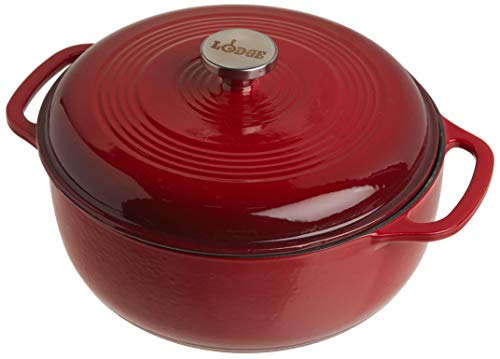
This Lodge model offers classic enamel-coated cast iron with strong heat retention and durability, designed to resist rust and be PFAS-free. It comes in a range of colors to complement kitchen decor. The interior enamel provides a smooth surface that reduces sticking and eases cleaning. It’s dishwasher-safe, though hand washing is often recommended to preserve the finish and extend pot life. The combination of sturdy construction and reliable performance makes it a dependable everyday option for braising and slow-cooking.
Lodge 7.5 Quart Enameled Dutch Oven
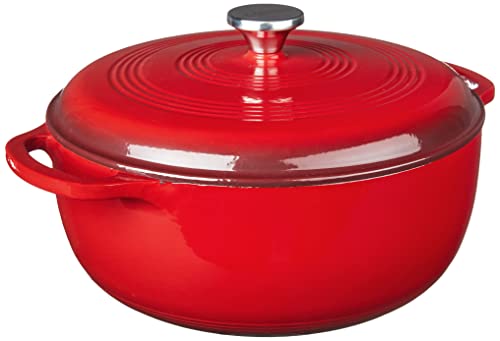
This larger Lodge option pairs form and function, suitable for bigger meals and batch cooking. It supports oven use up to 500°F, making it ideal for browning on the stove and finishing in the oven. The porcelain enamel is bonded to the cast iron through a high-heat process, creating a heat-tolerant, water-resistant surface. The interior enamel keeps sticking to a minimum, supports caramelization, and is designed for easier cleaning, while dual side handles aid with moving a full pot safely.
Lodge Essential Enamel Cast Iron Dutch Oven – 6 Quarts Caribbean Blue
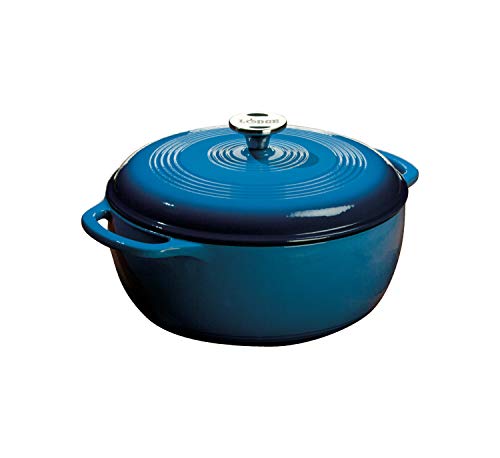
The Caribbean Blue variant brings a vibrant touch to kitchenware without compromising performance. The enamel coating provides excellent heat distribution and durability, resisting rust and staining. As with other enamel pots, hand washing with warm soapy water and a nylon brush is recommended to keep the surface looking new. The pot’s sturdy construction supports long-term use for everyday meals and special occasion dishes alike.
Umite Chef 5QT Enameled Dutch Oven Pot (Green)

Umite Chef emphasizes even heat distribution and moisture retention with a heavy-duty enamel coating. The lid is designed to lock in moisture and nutrients, helping to produce tender braises and flavorful stews. Raised interior nodes promote even condensation, redistributing moisture back onto food to prevent dryness. The pot is versatile enough for stovetop browning, oven braising, and even high-heat searing, supporting a range of cooking techniques from sautéing to slow cooking.
Umite Chef Enameled Dutch Oven Pot With Lid – Red

This Umite Chef model combines a bright red enamel exterior with a robust interior for versatile cooking. The lid’s seal helps maintain moisture for braises, soups, and roasts, while the enamel finish protects the pot from corrosion and staining. The pot’s design supports a broad range of tasks—from searing at the stovetop to finishing in the oven. The enamel minimizes the need for seasoning and simplifies cleanup, making it a practical choice for busy kitchens.
Buying Guide
- Material and finish: Porcelain enamel on cast iron delivers durable, rust-resistant surfaces and excellent heat distribution. Look for a smooth enamel interior to minimize sticking and facilitate cleaning.
- Size and capacity: Choose 4–7 quarts for common family meals; 7.5-quart models suit larger gatherings or batch cooking, while 5–6 quarts fit everyday weekly needs.
- Lid design and moisture retention: A tight-sealing lid with moisture control helps preserve flavors. Some lids are engineered to condense steam and return moisture to food.
- Weight and handles: Cast iron is heavy; dual handles on the sides aid transport. Consider a pot that’s comfortable to lift when full.
- Heat tolerance and placement: Most enamel-coated cast iron is oven safe up to 500°F. Verify compatibility with your stove (gas, electric, induction) and oven use.
- Care and maintenance: Enamel surfaces resist staining and sticking but benefit from gentle cleaning and hand washing to prolong life. Avoid harsh abrasives that can damage the glaze.
- Aesthetics and color: Enamel comes in multiple colors. While appearance doesn’t affect cooking, matching your cookware to kitchen decor can simplify storage and appeal.
- Price-to-life considerations: Higher-capacity, well-made enamel pots often justify their price through durability, even heating, and resistance to rust.
- Use and performance perspective: For braising, a heavy pot with good heat retention ensures even reduction of sauces. For bread baking, preheating helps obtain a crust with interior tenderness.
- Maintenance perspective: Enamel surfaces are easier to clean than bare cast iron but still require careful handling to avoid chips and scratches.
- Versatility perspective: Many enamel Dutch ovens perform well on stovetops, in ovens, and for serving at the table, reducing the need for multiple pots.