Non-electric food dehydrators rely on natural air flow, sun, or simple design to preserve herbs, fruits, vegetables, and more. This guide highlights durable non-electric options that are lightweight, easy to store, and effective for batch drying. Whether you’re drying garden harvests or making healthy snacks, the selections below emphasize windproof design, multi-tier capacity, and simple setup. Explore five practical choices to help you choose a reliable, low-energy solution for dehydrating foods at home.
Summary of chosen products:
| Product | Type | Key Benefit | Tier/Capacity |
|---|---|---|---|
| TANOVCEP Foldable Drying Net | Multi-tier Drying Net | Windproof, insect-protected drying | 4 Layers |
| VIVOSUN 6-Layer Mesh Drying Rack | Mesh Drying Rack | Excellent airflow and spacious layout | 6 Layers |
| Drying Rack Plant Net Premium Mesh Tents Dryer | Foldable Mesh Dryer Kit | Versatile for plants, fish, clothes | 2/4/6 Layer Options |
| QHAND Dehydrator Temperature Guide Magnet | Magnetic Cheat Sheet | Easy dehydration reference on fridge | 2 Packs |
| JUA Technologies Solar Food Dehydrator | Solar Dehydrator | Sun-powered drying with hygrometer | Solar Dehydrator Kit |
TANOVCEP Foldable Drying Net for Vegetables

The TANOVCEP drying net is designed for non-electric drying tasks, including vegetables, fish, and dehydrated goods. Its multi-tier setup provides dedicated space for different foods, helping to keep flavors separate while maximizing air exposure. The windproof design and insect-protective zipper closure reduce exposure to elements and pests during air-drying. The breathable nylon material is lightweight and intended for repeated use, offering a practical option for weekend harvests or larger drying projects.
VIVOSUN 6-Layer Mesh Drying Rack

The VIVOSUN mesh drying rack uses ventilated nylon mesh to maximize airflow and heat absorption from sunlight. Its six-layer design increases drying capacity, with each chamber holding a portion of the load. The rack height and diameter provide a substantial footprint for larger batches, while the included pruning shears offer a practical tool for preparing plant material before drying. This non-electric setup is well-suited for sun-assisted drying of herbs, flowers, and garden produce.
Drying Rack Plant Net Premium Mesh

This premium folding mesh drying rack offers 2, 4, or 6-layer configurations, making it adaptable to space and drying requirements. A safety zipper lock helps protect contents from wind and birds during outdoor drying, while the breathable mesh promotes airflow to prevent rotting. It is suitable for plants, fish, clothes, nuts, and other items requiring gentle air circulation during dehydration.
SIGNIM No Electricity Food Dehydrator

The Signim non-electric dehydrator emphasizes simple operation with no electricity. It features nine levels of dehydration intensity, allowing tailored moisture removal for different foods. The design focuses on quick moisture drainage and straightforward use, making it a practical option for those who prefer a manual approach to food preservation while maintaining nutrient content.
JUA Technologies Solar Food Dehydrator
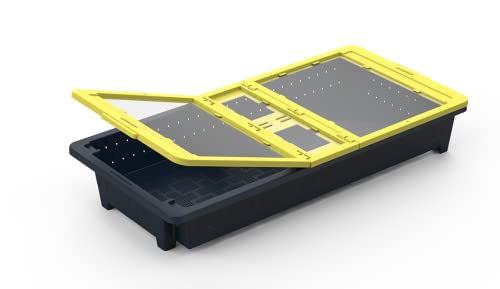
The JUA Technologies solar dehydrator uses passive sun drying to preserve fruits, vegetables, and meats. It includes a hygrometer to monitor drying progress and a food scraper for handling. Made with BPA-free materials, this US-made option emphasizes healthy, natural dehydration without electrical power, making it a relevant choice for sunny climates and outdoors-oriented drying workflows.
Buying Guide: Non-Electric Dehydration Essentials
- Drying method: Choose between wind-assisted nets, mesh racks, or sun-powered dehydrators based on climate and space.
- Capacity and layout: Consider multi-tier designs for batch processing and organizational efficiency.
- Protection: Look for wind resistance, insect barriers, and stability to prevent disturbances during drying.
- Materials: Prioritize breathable, durable fabrics like nylon mesh and BPA-free components for food safety.
- Portability and storage: Foldable or collapsible options help maximize space when not in use.
- Ease of use: Simple setups with clear assembly instructions reduce preparation time.
- Durability: Reusability and resistance to weather elements extend product life for outdoor use.
- Maintenance: Ease of cleaning and drying between batches supports consistent results.
Why choose non-electric options?
Non-electric dehydrators offer low-energy or no-energy methods that align with off-grid needs, minimize operating costs, and allow preservation in climates with ample sun and airflow. They are often compact, portable, and easy to store, making them suitable for hobbyists and seasonal use. While performance depends on weather and air conditions, these designs provide accessible paths to drying herbs, vegetables, and fruits without relying on electrical devices.