Compact, single-door mini fridges are a practical choice for dorms, offices, bedrooms, and limited apartments. This guide highlights several well-rounded options with freezer compartments, adjustable thermostats, and energy-efficient performance. Below, you’ll find five top picks, each with a quick specs snapshot and practical considerations to help you pick the right fit for your space and cooling needs.
Summary Of Selected Products
| Product | Brand | Capacity | Notable Feature |
|---|---|---|---|
| Igloo 3.2 Cu. Ft. Single Door Compact Refrigerator with Freezer | Igloo | 3.2 Cu. Ft. | Separate freezer compartment |
| BLACK+DECKER 1.7 Cu. Ft. Compact Refrigerator | BLACK+DECKER | 1.7 Cu. Ft. | Chiller compartment; energy efficient |
| Midea WHS-65LB1 Compact Refrigerator | Midea | 1.6 Cu. Ft. | Adjustable thermostat; reversible door |
| NEWBULIG Mini Fridge With Freezer | NEWBULIG | 3.2 Cu. Ft. | Dual-zone cooling; ultra-quiet |
| Upstreman 3.2 Cu.Ft Mini Fridge With Freezer | Upstreman | 3.2 Cu. Ft. | Adjustable thermostat; energy-efficient |
Igloo 3.2 Cu.Ft. Single Door Refrigerator With Freezer
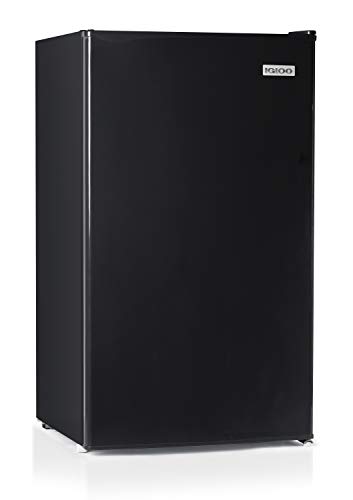
The Igloo model offers a compact 3.2 cubic feet of total capacity with a separate freezer compartment, making it suitable for frozen items alongside daily perishables. Its design emphasizes a practical balance between storage space and footprint, which helps in small offices, dorm rooms, or compact kitchens. The unit maintains a stable cooling range and is designed for households needing room to store beverages, snacks, and frozen foods without a larger refrigerator footprint.
BLACK+DECKER 1.7 Cu. Ft. Compact Refrigerator

This BLACK+DECKER model is compact and lightweight with an energy-efficient profile and a dedicated chiller compartment. It’s positioned well for dorm rooms, offices, or small living spaces where space and energy costs matter. A removable glass shelf increases versatility for bottles, leftovers, and various container sizes, while the door storage cans make good use of vertical space inside a small footprint.
Midea WHS-65LB1 Compact Refrigerator

The Midea WHS-65LB1 focuses on space efficiency with a compact footprint and a reversible door for flexible placement. It features an adjustable thermostat with a narrow temperature range that makes it easy to cool beverages and small snacks while preserving energy. Its single glass shelf helps manage odd-shaped items, and a 2L bottle rack adds convenience for daily beverages, making it a practical option for desks, small apartments, or dorm rooms.
NEWBULIG Mini Fridge With Freezer
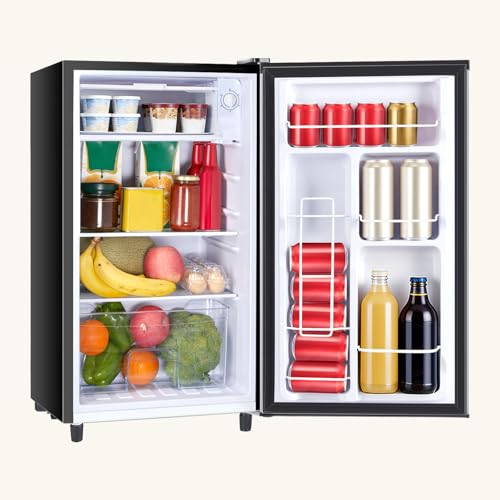
NEWBULIG’s 3.2 Cu.Ft mini fridge provides dual-zone cooling with a dedicated freezer compartment alongside a spacious refrigerating area. It emphasizes quiet operation, with an ultra-quiet 38dB level suitable for bedrooms, offices, or study rooms. Its layout supports organized storage for drinks, snacks, and frozen items, making it a practical option where both fresh and frozen storage are needed without a larger appliance footprint.
Upstreman 3.2 Cu.Ft Mini Fridge With Freezer
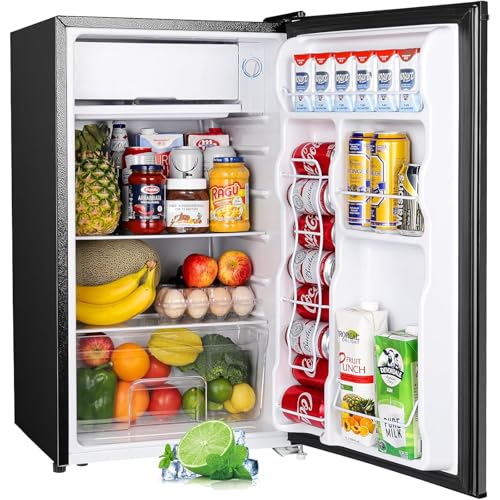
Upstreman’s single-door 3.2 Cu.Ft fridge balances capacity and energy efficiency with adjustable thermostats. It is designed for dorms, bedrooms, or offices where a compact footprint is essential but larger storage capacity is desired. The adjustable thermostat supports a range suitable for beverages, dairy, and leftovers, with emphasis on quiet operation to minimize disruption in quiet spaces.
Buying Guide: Key Purchase Considerations And Comparisons
When choosing a one-door mini fridge, consider who will use it, where it will sit, and what you’ll store most often. Here are essential factors and practical comparisons to help you decide:
- Capacity vs. footprint: Mini fridges labeled 1.6–3.2 Cu. Ft. offer a wide range of storage. If you need a compact unit for a dorm or office desk, a 1.6–1.7 Cu. Ft. model may suffice. For a small apartment or shared space where you’ll store more bottles and meals, a 3.2 Cu. Ft. unit is a better fit.
- Freezer compartment: A dedicated freezer is a major plus for ice, frozen meals, and ice cream. If you rarely freeze items, a model without a freezer could save energy and reduce cost.
- Thermostat control: Look for adjustable thermostats with clear temperature ranges. For most perishables, a range around 34–40°F (1–4°C) is effective. Some units offer dual zones, which is advantageous for separating dairy and beverages from frozen goods.
- Energy efficiency: Energy Star-rated units tend to use less power and cost less to run over time. Consider models advertised as energy-efficient, especially for rooms with limited outlets.
- Door and shelf configuration: Reversible doors and adjustable shelves help fit odd spaces and varied item sizes. A glass shelf is useful for larger items or storing taller drinks.
- Noise level: Quiet operation matters for bedrooms, study spaces, or offices. Check decibel ratings or user reviews mentioning audible hum if you’re sensitive to sound.
- Durability and warranty: Check the manufacturer’s warranty and user reviews about reliability. A well-supported model reduces long-term maintenance concerns in small spaces.
In short, for dorms or offices where space is tight but you want reliable cooling, a 1.6–3.2 Cu. Ft. single-door fridge with a freezer compartment is typically the best balance. If you prioritize ultra-quiet operation, models highlighting a sub-40 dB noise level are preferable for sleeping areas or study spaces. Consider reversible doors for flexible placement and a removable shelf for versatile loading.
All listed products above provide a range of options across price points, with emphasis on practical storage, energy efficiency, and compact design suitable for American homes and workspaces.