Pressure cooking for canning combines safety, efficiency, and batch convenience for home preserves. This guide highlights five top-rated options, spanning large-capacity pressure canners and versatile cooking pots with canning-ready features. Each pick supports USDA-tested methods, with tools and starter kits to streamline your canning routine and expand your preservation repertoire.
| Product | Brand | Capacity | Key Benefit |
|---|---|---|---|
| T-Fal 22-Quart Aluminum Pressure Canner | T-Fal | 22 quarts | High-volume batches with dual canning methods |
| Supa Ant 23 Qt Pressure Canner | Supa Ant | 23 quarts | Comprehensive starter kit for canning |
| Ball Complete Book of Home Preserving | Robert Rose | N/A | Extensive preserving guidance and recipes |
| Barton 8QT Pressure Canner | Barton | 8 quarts | Compact, safe, and versatile |
| Additional Canner Reference | Various | N/A | Solid safety and technique principles |
Note: This table summarizes key attributes to help you compare capacity, safety features, and the scope of use. Details and exact configurations vary by product.
T-Fal 22-Quart Aluminum Pressure Canner

The T-Fal pressure canner offers a durable aluminum construction designed for long-lasting performance and even heating. It supports both pressure canning for low-acid foods like meats and vegetables and boiling-water canning for high-acid items like fruits, jams, or pickles. With its large 22-quart capacity, it accommodates substantial batches—up to 24 half-pint jars, 16 wide-mouth pint jars, or 7 quart jars per cycle. The design emphasizes easy maintenance and reliable, steady pressure control, making it a versatile choice for home canning projects.
Key features include durable aluminum construction, multi-purpose canning capabilities, and a substantial batch capacity. This model is suitable for cooks expanding their preservation repertoire, offering a straightforward path to safety and efficiency in home canning operations.
Supa Ant Pressure Canner 23 Qt Starter Kit

The Supa Ant 23-quart pressure canner is designed for large-batch canning and includes a comprehensive starter kit. It features an overpressure plug, air vent/cover lock, and a locking lid to prevent opening under pressure, all contributing to safe operation. The kit adds essential canning accessories, such as a jar lifter, canning funnel, magnetic lid lifter, bubble remover, and jar wrench, helping streamline the process from setup to jar sealing. The stainless steel rack included ensures safe jar spacing and water circulation, while the design supports both pressure canning and water bath methods where applicable.
Highlights include a high-capacity design, safety-focused features, and a complete accessory set for a ready-to-use canning experience. This option suits families seeking efficiency and an all-in-one approach to starting or expanding a home canning workflow.
Ball Complete Book of Home Preserving

Ball’s Complete Book of Home Preserving is a foundational reference for home canners. It covers techniques, safety guidelines, and a broad range of recipes covering jams, pickles, sauces, vegetables, and fruits. While not a pressure canner itself, this resource complements practical equipment by providing tested methods, timing suggestions, and flavor-building ideas that align with research-based canning practices. For beginners and seasoned canners alike, it serves as a trusted, comprehensive guide to safe preserving at home.
Barton 8QT Pressure Canner
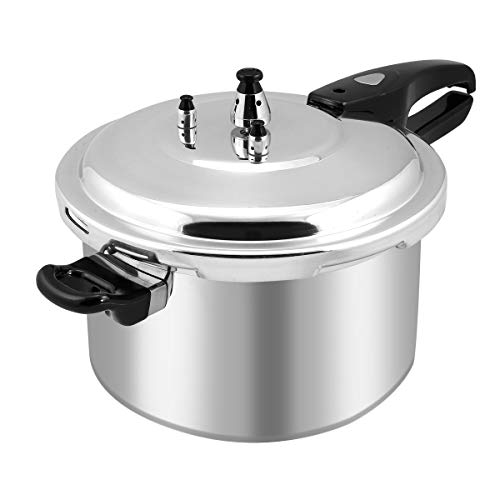
The Barton 8-quart pressure canner is a compact option that emphasizes safety and versatility. It is designed for use on both gas stoves and electric cooktops, making it suitable for various kitchen setups. The canner includes multiple safety features such as a self-locking valve, limit valve, anti-blocking lid, safety valve, and a pressure release window, helping to provide peace of mind during high-pressure cooking. While smaller than some large-capacity models, this pot is well-suited for smaller families or batches, and it supports stewing, steaming, and canning with consistent heat distribution.
With its emphasis on safety mechanisms and compatibility with multiple stove types, this option offers reliable performance for those prioritizing compact design without sacrificing functionality.
Buying Guide: Key Purchase Considerations
- Capacity needs: Choose a size that matches your typical batch volume. Large families or preserving multiple recipes at once benefit from 20+ quart models, while smaller households may prefer compact 8–12 quart options.
- Safety features: Look for locking lids, overpressure protection, venting systems, and clear indicators of pressure levels. A robust safety design reduces risk and improves user confidence.
- Compatibility: Ensure the canner works with your stove type (gas or electric) and supports the canning method you plan to use (pressure canning for low-acid foods; boiling-water canning for high-acid items).
- Material and durability: Aluminum models offer even heating and lighter weight, while stainless steel options provide durability and may be compatible with induction cooktops. Consider maintenance and long-term use.
- Accessories and starter kits: Starter kits with jar lifters, funnels, and lattice racks can streamline the process and reduce mishaps during handling of hot jars and lids.
- Guidance and recipes: Access to tested canning guidelines and reference books helps ensure safety and quality, especially for beginners developing routines and preserving a variety of foods.
- Maintenance and cleaning: Look for dishwasher-safe components and rust-resistant racks to ease post-canning cleanup and prolong the life of the equipment.
- Cost of ownership: Balance upfront cost with capacity, safety features, and included accessories. A higher-capacity model with a full accessory kit may offer better value for regular canners.
Safety and Best Practices in Brief
Always follow tested canning guidelines from trusted sources. Use fresh jars and lids, monitor venting and pressure indicators, and process foods for the recommended times. Label jars clearly, store in a cool, dark place, and rotate stock to minimize waste and ensure quality across preserves.