Finding a durable, sharp, and well-balanced chef’s knife is essential for home cooks and professionals alike. This guide highlights five top-tier options, spanning German and Japanese craftsmanship, so you can choose a knife built to endure daily use and maintain a razor edge. Each pick features proven steel, ergonomic handles, and trusted brands. Read on to compare design traits, maintenance needs, and performance considerations that influence long-term satisfaction in the kitchen.
| Product | Brand | Core Strengths |
|---|---|---|
| WÜSTHOF Classic 8″ Chef’s Knife | Wüsthof | Full tang, triple riveted handle; German stainless steel; ergonomic |
| Atumuryou JPCK 8″ Japanese Damascus Knife | Atumuryou | 67-layer Damascus, VG10 core, balanced, elegant |
| HOSHANHO 8″ Japanese High Carbon Knife | HOSHANHO | 10Cr15CoMoV steel, 60 HRC, ergonomic grip |
| imarku 8″ Japanese HC Steel Knife | imarku | High-carbon stainless steel, strong edge, gift-ready |
| MOSFiATA 8″ Professional Chef Knife | MOSFiATA | EN1.4116 steel, full tang, ergonomic Micarta handle |
WÜSTHOF Classic 8″ Chef’s Knife, Black
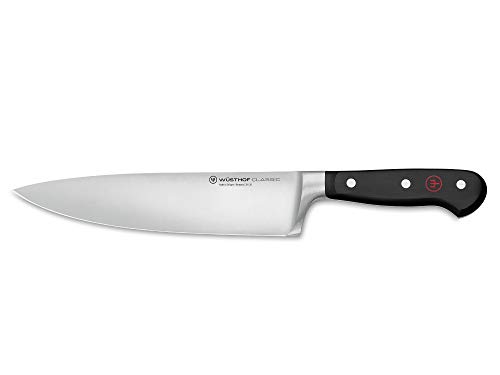
The WÜSTHOF Classic 8” Chef’s Knife is designed as a kitchen workhorse for chopping, mincing, slicing, and dicing. The full tang, triple riveted handle and classic German build ensure durability under daily use. Its 8” blade length offers versatile control across vegetables, herbs, and proteins, while the full bolster and finger guard provide safety. The ergonomic synthetic handle resists fading and discoloration, making this knife a long-term staple in both home and professional settings.
Atumuryou JPCK 8″ Japanese Damascus Knife
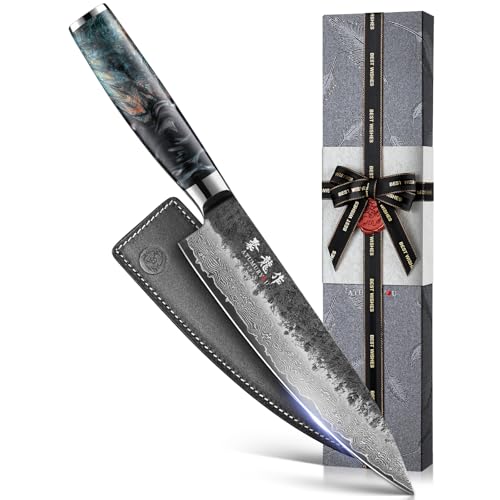
This 8″ Japanese chef knife blends traditional craftsmanship with a Damascus multi-layer blade. The VG10 core, surrounded by 33 layers per side and a total of 67-layer construction, yields exceptional sharpness, balance, and resilience. The handle merges stabilized wood with resin for a unique, ergonomic grip. A full tang design enhances balance and control, making it suitable for precise slicing, dicing, and mincing over extended sessions.
HOSHANHO 8″ Kitchen Knife

HOSHANHO’s 8” chef knife uses high-carbon Japanese steel (10Cr15CoMoV) with a 60 HRC hardness, delivering notable rust resistance and edge retention. The matte blade finish offers a sleek look and reduced glare. An ergonomic, slightly angled bolster encourages a proper pinch grip, reducing wrist strain during prolonged prep work. This knife balances performance with comfort for daily kitchen tasks like chopping and filleting.
imarku Japanese Chef Knife 8″
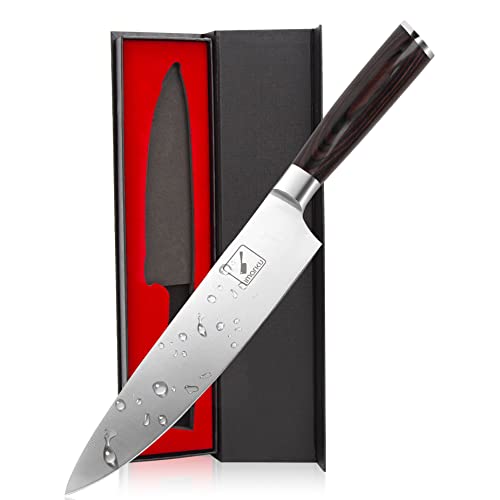
The imarku 8” chef knife features a high-carbon stainless steel blade with 0.6-0.75% carbon content, delivering superior hardness and edge retention. The knife is designed for multipurpose use—slicing, dicing, mincing, and bone work—thanks to a sturdy edge and comfortable Pakka handle, set on a frame of FSC-certified wood. It combines practicality with a gift-ready presentation for culinary enthusiasts.
MOSFiATA 8″ Chef Knife with Micarta Handle

MOSFiATA presents an 8” professional chef knife with EN1.4116 German stainless steel and a full tang for durability. The blade features a laser-engraved pattern and a 16° edge for precise cuts. A triple-riveted Micarta handle provides a secure grip and slip resistance, while the corrosion-resistant blade design supports long-term use in busy kitchens.
Buying Guide: Key Purchase Considerations
- Blade material and hardness: Higher carbon content improves edge retention but can require more maintenance to prevent rust. Japanese knives often use VG10 or 10Cr15CoMoV steel, while German knives lean toward corrosion-resistant stainless steel.
- Blade geometry and edge angle: Western knives typically have a thicker, stronger edge, while Japanese knives favor a thinner, sharper edge for precision work. Consider your typical tasks and cutting styles.
- Handle design and balance: Ergonomic handles reduce fatigue, especially during long prep sessions. Full tang construction enhances balance and durability.
- Maintenance needs: High-carbon blades require drying and occasional oiling; stainless options are more forgiving in busy kitchens but may dull faster.
- Weight and feel: A well-balanced knife should feel natural in your hand, enabling controlled, fluid cuts without wrist strain.
- Price and brand reliability: Brands with long histories in cutlery tend to offer predictable performance and better customer support, though there are capable modern makers as well.
In choosing among these options, align blade type, balance, and maintenance expectations with your cooking style. For home cooks prioritizing durability and ease, a well-made German stainless knife is a solid choice. If you want ultra-thin, precision-oriented performance for vegetables and delicate tasks, a Japanese damascus or high-carbon knife may be preferable. Always practice safe handling and proper knife storage to extend blade life.