Choosing the right butcher knife for chicken makes deboning, trimming, and filleting quicker and safer. The list below highlights five highly capable options that balance sharpness, control, and durability. Each knife is designed to handle bone and cartilage with precision, helping home cooks achieve restaurant-quality results. The overview includes features, blade design, and ergonomic considerations to guide your selection.
Summary of Selected Products:
| Product | Brand | Blade Type | Length | Key Benefit |
|---|---|---|---|---|
| Mercer Culinary Ultimate White, 6 inch Curved Boning Knife | Mercer Culinary | High-carbon Japanese steel | 6 inch | Razor-like edge with ergonomic, non-slip grip |
| Cutluxe Butcher Knife – 10″ Cimeter | Cutluxe | Forged high-carbon German steel | 10 inch | Razor-sharp edge; full tang; ergonomic pakkawood handle |
| Mueller 7-inch Butcher Knife Meat Cleaver | Mueller | High-carbon stainless steel | 7 inch | Heavy-duty, multipurpose and durable |
| HOSHANHO Fillet Knife 7 Inch | HOSHANHO | High carbon stainless steel 10Cr15CoMoV | 7 inch | Ultra sharp, long-lasting edge, excellent for precise cuts |
| Mercer Culinary Millennia Colors 6-Inch Curved Boning Knife | Mercer Culinary | One-piece high-carbon Japanese steel | 6 inch | Color-coded handle for sanitation and control |
Mercer Culinary Ultimate White, 6 Inch Curved Boning Knife
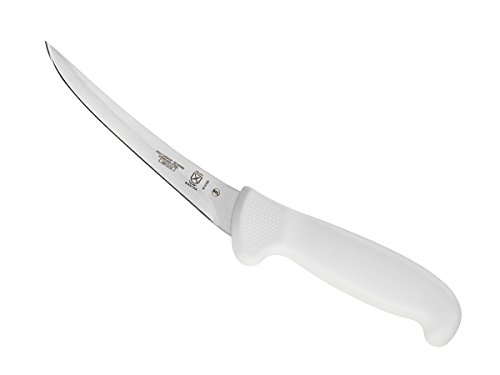
The Mercer Ultimate White knife delivers a high-carbon Japanese steel blade that stays sharp with minimal maintenance. Its curved 6-inch profile is tailored for deboning chicken and poultry, allowing precise movement along bones. The ergonomic handle features textured finger points for a secure, non-slip grip, improving comfort and safety during repetitive cuts. This knife emphasizes longevity and reliability in busy kitchens, making it a practical choice for home cooks pursuing consistent deboning results.
Cutluxe Butcher Knife – 10″ Cimeter

The Cutluxe 10-inch cimeter is designed for larger cuts and heavy-duty deboning. Its full tang, laminated pakkawood handle provides a stable grip and confident control for fast, precise work. The blade is ground to a razor-sharp edge at 14-16 degrees per side, which supports consistent slicing and trimming of poultry with minimal resistance. This knife suits home cooks who frequently process whole birds or larger cuts and want professional-grade performance.
Mueller 7-inch Butcher Knife Meat Cleaver

The Mueller meat cleaver combines durability with everyday versatility. Constructed from high-quality stainless steel, it resists rust and discoloration while offering a sharp edge that can trim meat, mince, and cut through denser tissue. The design emphasizes balance and control for both home kitchens and more demanding use, making it a solid all-purpose option for deboning tasks that involve tougher bones or larger poultry sections.
HOSHANHO Fillet Knife 7 Inch

The HOSHANHO 7-inch fillet knife uses a premium high-carbon stainless steel alloy for durability and long edge life. Its slender blade is designed for precise filleting, trimming, and deboning of poultry and fish. The ergonomic pakkawood handle provides a balanced feel and strong grip, while the 15-degree per side edge angle supports a refined cut that minimizes waste and maximizes yield.
Mercer Culinary Millennia Colors 6-Inch Curved Boning Knife
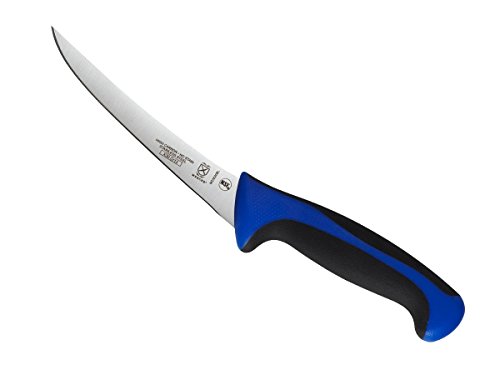
The Mercer Millennia is crafted from one-piece high-carbon Japanese steel for consistent edge retention. Its curved 6-inch blade aids in deboning and trimming chicken, ham, and fish with a controlled arc. The ergonomic handle includes textured finger points to provide a secure grip and minimize slips during detailed deboning work. The color-coding (blue) helps differentiate tasks in busy kitchens, enhancing sanitation and workflow.
Buying Guide: Key Considerations For Choosing A Chicken Deboning Knife
When selecting a butcher knife for chicken, consider blade shape, length, balance, and maintenance. Curved boning blades excel at maneuvering along bones, while longer cimeters or cleavers handle larger poultry sections with efficiency. High-carbon stainless steel blades offer a sharp edge and easier sharpening, but require careful drying to prevent rust. Ergonomic handles reduce fatigue during extended prep sessions, and full tang construction adds stability for confident control. For households with multiple cooks, color-coded or easily identifiable handles help avoid cross-contamination and simplify task assignments.
Blade maintenance is another factor. Higher-carbon steels cut smoothly but may require more frequent honing. Some brands emphasize edge retention and micro-serration for tough tasks, which can affect how you sharpen. If you process birds regularly, a budget-conscious yet durable knife with good edge life may be preferable to a specialized specialty blade. Consider the following perspectives to guide your choice:
- Professional-grade performance: Look for full-tang construction, a robust edge, and ergonomic handles designed for repetitive use.
- Home-cook practicality: Prioritize balance, ease of sharpening, and a blade length suited to typical chicken portions.
- Hygiene and sanitation: Color-coded handles or easily cleanable materials can help manage kitchen workflows and prevent cross-contamination.
- Maintenance needs: Stainless vs. high-carbon stainless blades offer trade-offs between rust resistance and edge longevity.
- Versatility: Some knives double as multipurpose tools (cleavers or cimeters) for broader kitchen tasks beyond deboning.
Brand reputation, blade geometry, and handle design all factor into long-term satisfaction. For many cooks, choosing a balanced 6-7 inch curved boning knife offers a sweet spot between precision and control for chicken while still accommodating occasional larger cuts or filleting tasks.